

Deciding when to retire is one of the most personal choices you will ever make. It carries financial, emotional, and practical weight – and there is rarely a simple answer
The stakes can feel high because, in many ways, they are. The decision you make will shape the next twenty or thirty years of your life.
The reassuring truth is that there is no single ‘correct’ retirement age.
The UK removed the default retirement age in 2011, which means you are free to continue working for as long as you wish (provided your role does not have specific regulatory limits). Retirement, therefore, becomes a matter of personal timing rather than a fixed milestone.
This guide explores the financial, health, and lifestyle factors that tend to matter most, highlights the key ages worth knowing about, and gently considers how living in a retirement community can form part of a thoughtful long-term plan.
Key ages and averages in the UK
Before deciding when you personally might retire, it helps to understand the framework within which retirement planning operates.
State Pension age
The State Pension age is currently 66 for both men and women.
This will gradually increase to 67 between 2026 and 2028, with further rises to 68 planned in the future, though the timetable remains under review.
You can check your personal State Pension age and projected entitlement using the government’s Check your State Pension service.
Private and workplace pension access
Most personal and workplace pensions can be accessed from age 55, rising to 57 from 2028 under current legislation.
If you belong to a defined benefit (final salary) pension scheme, it will usually have its own normal retirement age, so it is worth checking directly with your provider.
What the averages tell us
The average retirement age in the UK sits in the mid-60s, although many people aim for around 60 as an early retirement age.
At the same time, increasing numbers of people continue working into their late 60s or early 70s. Sometimes this is financial, but often it reflects something else: work can offer purpose, routine, and social connection that many people still value.
How to decide when you should retire
Rather than focusing on a single age, it is usually more helpful to consider three areas together: your finances, your health, and the life you want your retirement to offer.
When those three things begin to align, the timing often becomes clearer.
Financial readiness
A key question is whether you have enough reliable income to support a retirement that could last 25-30 years or more.
This means looking at:
- State and private pension income
- Investments and savings
- Any rental or additional income
- Property value and potential downsizing
It also means thinking realistically about spending. Some costs may fall in retirement, but others – particularly care and healthcare – can rise over time.
Inflation also matters. A comfortable income today will buy less in fifteen or twenty years, so long-term planning is essential.
For many people, speaking with an independent financial advisor is one of the most valuable steps they can take. A qualified adviser can model different retirement ages and income scenarios, giving you clear numbers and greater confidence in your decision.
Health and energy
For some people, retiring in their early to mid-60s brings clear benefits: less stress, more time for exercise, travel, and social life.
For others, work continues to provide enjoyment and a sense of purpose well into later life.
A helpful question to ask yourself is this:
Would I enjoy more time for the things I love right now, while I have the health and energy to make the most of them?
Many people find that the years between 65 and 75 are among the most active and fulfilling of later life.
Work and sense of purpose
Retirement does not need to be a sudden stop.
Many people now choose a phased transition, reducing hours, moving into consulting roles, or taking on voluntary work that keeps them engaged and connected.
This approach can provide both freedom and continuity as you gradually shape the next stage of life.
Family, caring, and lifestyle goals
Retirement decisions are rarely made in isolation.
Some people want to spend more time with their grandchildren. Others are thinking about living closer to family or adjusting their plans around a partner’s retirement or health.
It can help to picture a typical week in your ideal retirement – where you are, what you are doing, and who you are spending time with.
If that picture feels clear and appealing, it is often a sign that the timing may be right.
Signs it might be time to retire
While every situation is different, some signals appear frequently:
- Work no longer feels stimulating or rewarding
- Your finances provide enough security for the long term
- You have plans, interests and relationships waiting to be enjoyed
- Your health is good and you would like to make the most of it
- You find yourself working more from habit than fulfilment
When is the best time to retire?
In simple terms, the right moment arrives when your finances, your health, and your aspirations all point in the same direction.
Here are some of the most common retirement timings.
Around 60
Retiring around 60 often allows for the longest and most active retirement.
It provides more time for travel, hobbies, and family life, although it requires strong financial planning because pensions may not yet be fully accessible.
For those with substantial savings or investments, it can be a deeply rewarding choice.
Mid-60s
For many people, this is the most natural transition point.
State and workplace pensions typically become available, and it often aligns with the closing stages of a career.
Financially and emotionally, this is where retirement feels most comfortable for many households.
Late 60s and beyond
Continuing to work later can increase pension income and reduce the number of years your savings must support.
However, it is worth balancing this against the value of enjoying your retirement while you still have the energy and freedom to do so.
When should I move to a retirement community?
This is a separate decision from retirement itself – though the two often become connected.
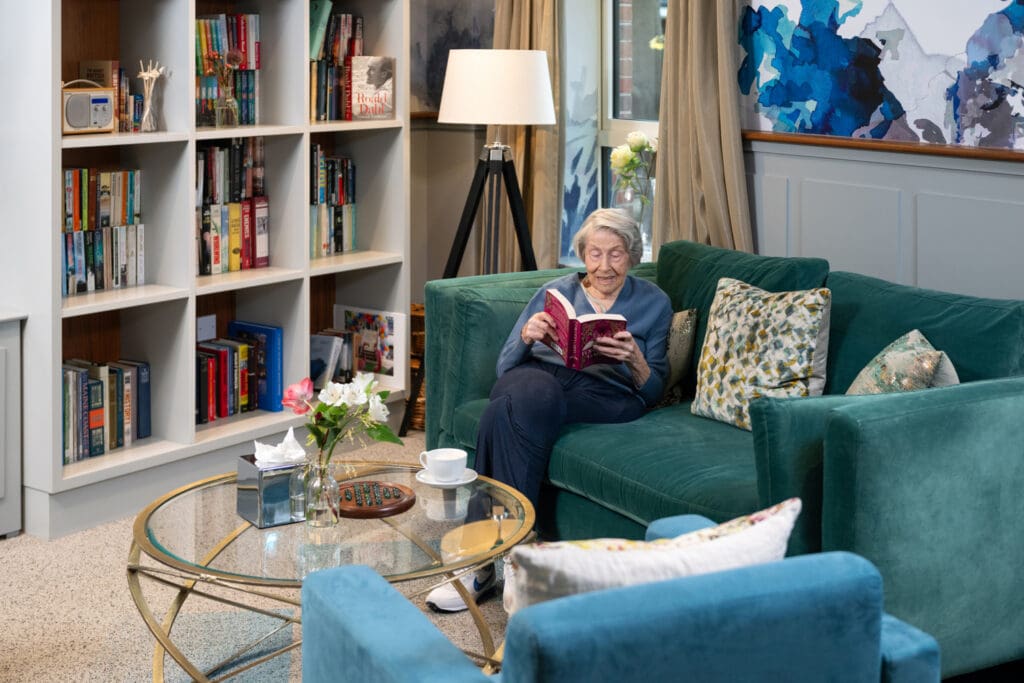
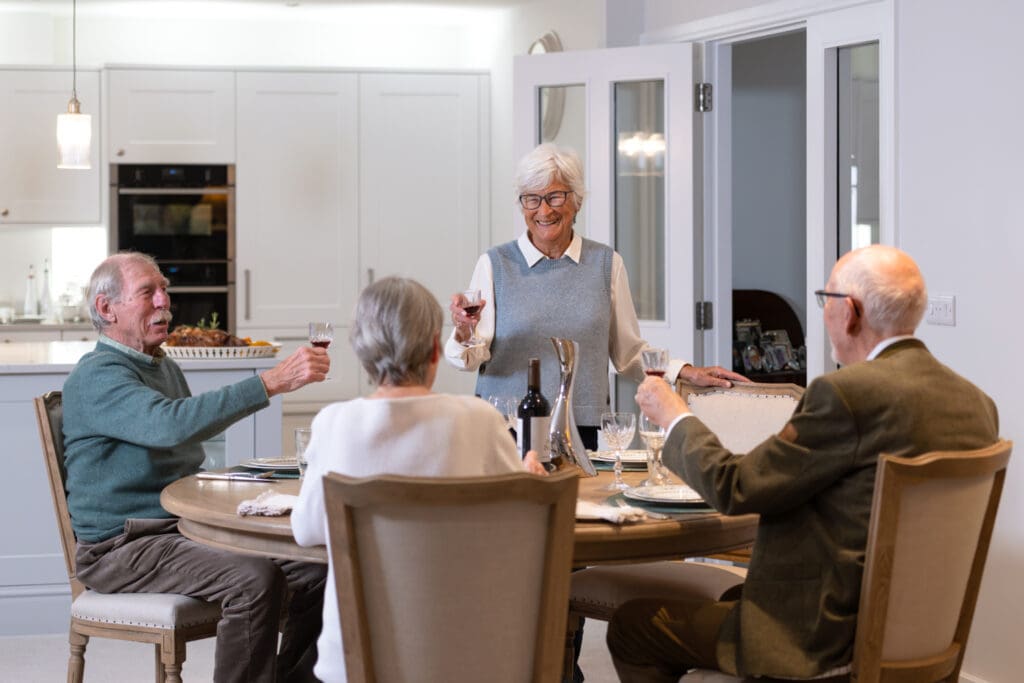
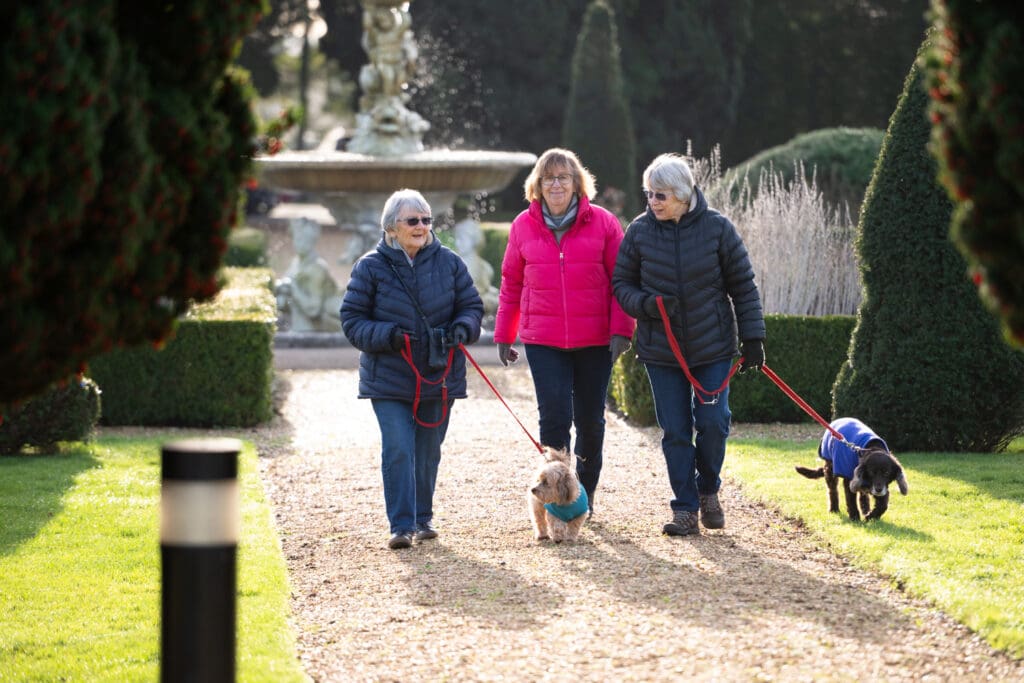
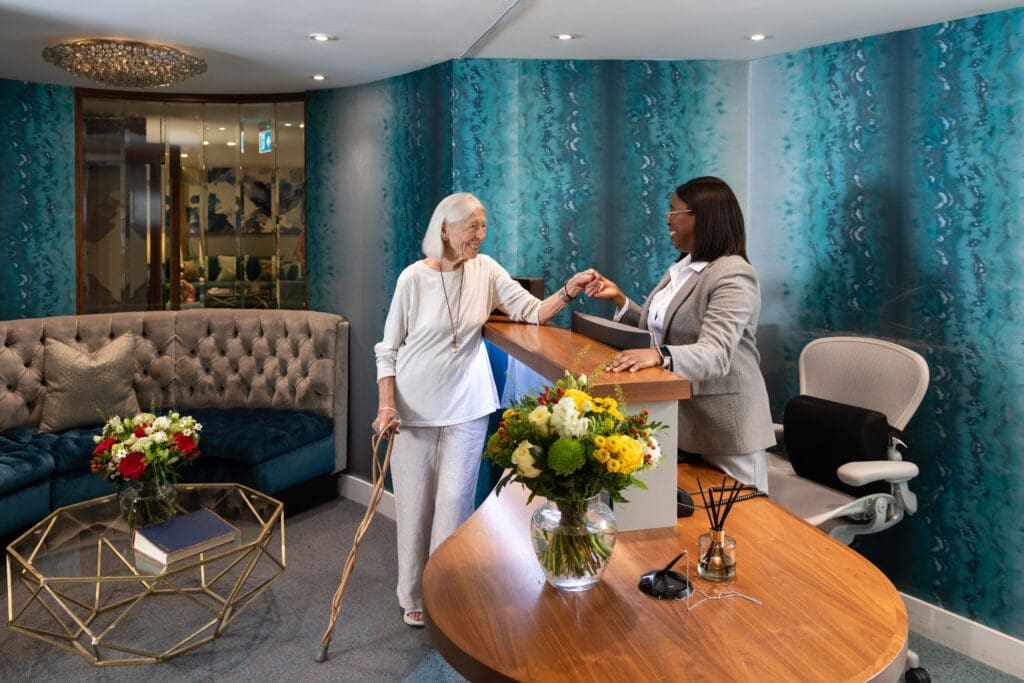
Moving to a retirement community is not about stepping away from life. For many people, it represents the start of a more social, convenient, and secure chapter.
At LifeCare Residence, residents often say they wish they had moved in earlier – and they mean this positively. Moving while you are still active allows you to settle in comfortably, build friendships, and fully enjoy the lifestyle the community offers.
Some common signs the timing might be right include:
- Managing a large home is becoming time-consuming or costly
- You would value more social connections or shared activities
- You would like discreet support available if health needs change
- You and your family want greater peace of mind about the future
- You would like the freedom to travel without worrying about property upkeep
Our communities, including Battersea Place in London and Grove Place in Hampshire, offer a lifestyle designed around independence, comfort, and connection. Expect beautifully designed homes, five-star amenities, and a vibrant social calendar.
Planning ahead: Steps to take in the next 6-12 months
Whatever stage you’re at, a few practical steps can help bring clarity:
- Check your State Pension forecast using the GOV.UK service
- Review your pensions and savings so you understand your projected income
- Talk with your partner and family about what you would like the next stage of life to look like
- Speak with an independent financial adviser to model retirement scenarios
- Begin exploring retirement communities earlier than you think you need to. Visiting and speaking with residents can help you picture the lifestyle more clearly
Retiring well – and choosing the right place to live – is not about stepping back. It is about stepping forward into a chapter designed around your own priorities, interests, and wellbeing.
LifeCare Residences is here to help you explore that next stage in your own time and without pressure. If you would like to visit Battersea Place or Grove Place, we would be delighted to arrange a private tour.