

Pets are an important part of the family at every stage of life, but for many retirees, they also provide companionship, comfort and emotional support.
From creating a daily routine to encouraging physical activity, pets can play a valuable role in overall wellbeing. It’s no surprise that more people are looking for pet-friendly retirement villages where they can continue enjoying life alongside their animal companion.
In this guide, we’ll break down exactly what to look for when choosing the perfect pet-friendly retirement village.
Are retirement villages pet-friendly?
Many retirement villages, such as LifeCare Residences, welcome pets. However, the level of pet-friendliness does vary between communities.
While some villages allow all pets big and small, some may have specific rules in place around the type, size or number of pets permitted. Rules are usually designed to ensure the comfort and safety of all residents, including those who do not own pets.
It’s extremely important to check the pet policy of each retirement village before making a final decision. Will your pet be welcome? What areas would be off limits for your pet? What’s allowed in one community may not be permitted in another.
What pets are typically allowed in retirement villages?
Most retirement villages that welcome pets tend to be flexible, but there are usually some restrictions in place depending on the community.
In general, small to medium-sized domestic pets are the most commonly permitted in retirement villages. House cats are often accepted, as they are low-maintenance and suited to apartment-style living. Dogs are also usually allowed, but there might be restrictions on size or breed.
In some retirement villages, small pets such as birds, rabbits, hamsters or fish may be permitted (often if they don’t require outdoor space).
Ultimately, while many retirement villages are now pet-friendly, it usually depends on how suitable the pets are for a shared living environment.
How much do pet-friendly retirement villages cost?
Pet-friendly retirement villages don’t usually charge a separate “pet fee”.
In the UK, the cost of a retirement village will depend on the location, size of the property and the number of amenities offered. Residents will also pay a service/management fee too to cover maintenance and facilities costs.
At Lifecare Residences, we have a fixed-for-life service charge which covers the upkeep of all shared areas, access to exclusive amenities, 24/7 on-site support, security and ongoing maintenance.
Even if the cost of providing these services goes up, the cost to you remains the same. And there’s no additional cost for bringing along your beloved pet.
Things to consider when choosing a pet-friendly retirement village
If you’re on the search for a pet-friendly retirement village, there’s a few things to keep in mind.
Pet size and breed restrictions: Even if a village welcomes pets, there may still be rules regarding breed, size, or the number of animals allowed. Always discuss your pet with the retirement village team before moving.
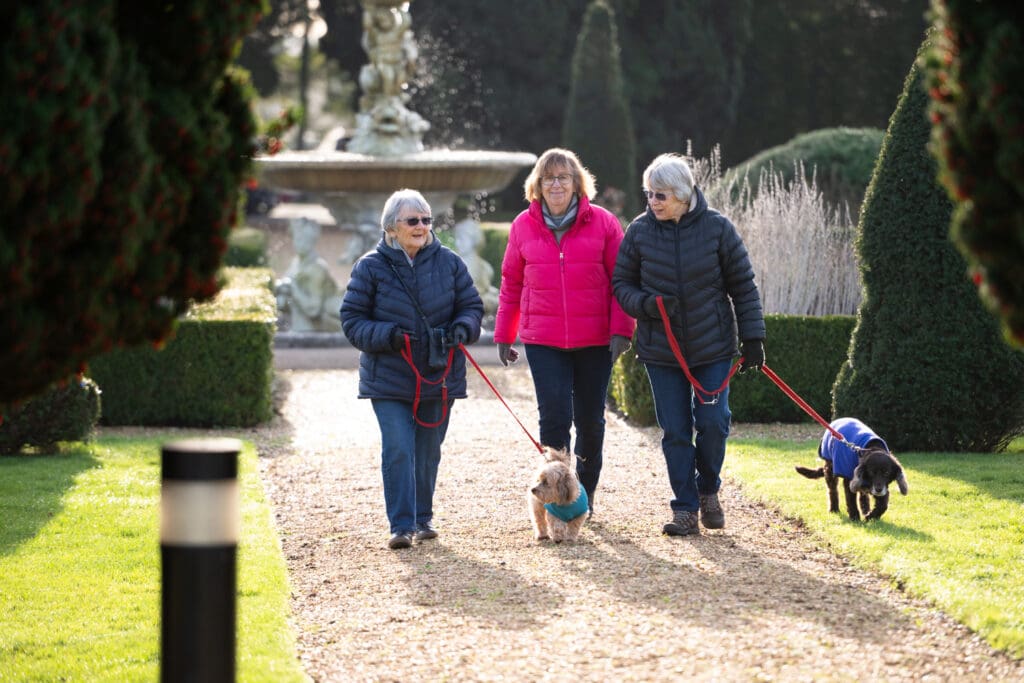
Safe walking paths and green spaces: If you’d like to bring a dog with you to your new home, it’s important to find out if there are walking areas nearby. Are there gardens to walk in? Parks or woodland to explore?
Access to nearby vets and pet services: Check whether there are veterinary clinics, grooming services, and pet shops nearby, particularly if easy transport access is important.
Pet-friendly home layouts and flooring: Features such as open-plan layouts and durable flooring can make day-to-day living easier for both residents and pets. Hard flooring is often more practical than carpet.
New pet policies: If your pet was to sadly pass away, would the retirement village be happy for you to welcome a new pet into your home? What are their policies on new or young pets?
Pet-free areas within the community: To ensure that all residents (pet lovers or not) are safe and happy within the retirement village, some areas are likely to be pet-free zones. There may also be areas where pets need to be kept on a lead.
Pet care services: While you may not need assistance now, it’s worth asking whether support is available if your circumstances change in the future.
What are the benefits of pets for retirees?
Pets are known to improve mental health, ease anxiety and help provide companionship and structure too. For retirees, having a pet can lead to a significant impact on wellbeing.
Reduces loneliness
Our furry friends are well known for reducing loneliness. In fact, recent studies show that around 70% of pet owners over 50 say their pet helps them feel more connected to others. Whether it’s a cat curled up at the end of your bed or a dog sat beside you on the sofa, pets make fantastic companions.
Having a pet to care for, talk to and spend time with can create a strong sense of connection – animals are great listeners too!
Encourages physical activity
There are also physical health benefits to having a pet. Dog ownership in particular encourages regular walking, and research has found that older adults with dogs are more likely to meet recommended daily activity levels.
Whether it’s a gentle stroll around a local park or a group walk with other dog owners in the community, there are plenty of fun activities to do outside with your pet.
Provides a routine
Sometimes, after leaving full-time work, daily structure can become less defined, so routine is an important part of retirement.
Having a pet to care for encourages retirees to maintain consistent sleeping patterns, stay active and remain engaged throughout the day. Simple tasks such as feeding, walking or spending time with a pet help to create that sense of purpose and routine.
Improves mental health
Keeping a pet also offers a number of mental health benefits for retirees.
Even just the small moments of talking to your cat, stroking your dog or simply having a pet nearby can reduce stress, lift mood and boost happiness. Pets are a great form of therapy for people of all ages.
Our pet policy at Lifecare Residences
At LifeCare Residences, we understand that pets are part of the family and welcome most small pets to move in with residents.
To ensure everyone enjoys the community comfortably, we ask that:
- Pets are kept on leads in shared spaces
- Owners clean up after their pets
- Pets are not left unsupervised for extended periods
- Pets stay out of designated communal and food preparation areas
All of our retirement villages benefit from excellent transport links and close amenities, so a vet or pet shop is never too far away.
And, if you require a little extra support, we can help you explore pet care options. For more information, please refer to our full pet policy.