

Continuum of care – your guide
Continuum of care has become central to modern, thoughtfully designed retirement communities. It offers not just a place to live today, but a plan for tomorrow. For those who need support that doesn’t disrupt their lifestyle, luxury retirement settings provide high-level care with expertly curated surroundings and on-site amenities. This guide explains what continuum of care is, why it matters, and how it shapes a more secure, flexible approach to later living.
What is the continuum of care?
Continuum of care refers to a range of support services that evolve alongside your needs over time. Rather than moving between different homes or facilities as circumstances change, a continuum of care allows you to remain within the same community, with a care plan that adjusts to you. This typically includes:
- Independent living
- Assisted or domiciliary care
- Nursing or specialist care
What does the continuum of care begin with?
In a well-designed continuum of care model, residents move into a community while they are active, well, and looking to simplify or enhance their lifestyle- not necessarily because they immediately need care.
From there, support can be introduced gradually through three key stages:
- Occasional help with daily tasks
- Regular, tailored care
- More structured clinical or nursing support if required
This proactive approach allows you to plan, rather than make decisions under pressure during periods of ill health.
What are the benefits of a continuum of care plan?
Continuum of care plans are an investment in your health and wellness. With a structured care plan, you can preserve your health, independence and peace of mind. preserving stability, independence, and peace of mind.
Avoid disruptive moves
Without a continuum of care, a change in health often means relocating, sometimes more than once. This can be physically and emotionally taxing, particularly later in life. A single move to a supportive environment removes that uncertainty.
Support for couples with different needs
Partners often need different levels of care at different times. A strong continuum of care model allows couples to remain close to one another, even as their individual needs evolve. This benefit is too often overlooked, but it is deeply important to couples seeking more support without being separated from the person they love most.
Plan from a position of strength
Making decisions early (and while you are well) ensures that your future is shaped on your terms. Rather than reacting to a crisis, you are choosing a setting that is already equipped to support you, whatever the future may hold.
Continuum of care examples
Here are some practical continuum of care examples:
Example 1: Independent living with support at hand: A person moves into a private apartment, enjoying a fully independent lifestyle. Over time, they choose to introduce light support, such as help with housekeeping or medication management, without changing their home or surroundings.
Example 2: Recovery and rehabilitation: Following surgery, a person benefits from short-term, post-operative care such as nursing care and physiotherapy. Once recovered, they return to their usual routine, with no need to relocate.
Example 3: Transition to nursing care: As needs become more complex, a person may require dedicated long-term nursing support. Within a continuum model, this is provided seamlessly within the same community, often in a purpose-designed setting.
Senior living continuum of care
The senior living continuum of care reflects a broader shift in expectations.
Today’s residents are looking for:
- Long-term security
- High-quality service and environment
- Access to discreet, expert care
- The ability to remain in control of their lifestyle
In this context, the continuum of care becomes less of a medical framework and more of a lifestyle philosophy: one that prioritises wellbeing and independence in equal measure.
Is a continuum of care right for you?
It’s hard to know what level of care you might need in the future. That’s why many people find it reassuring to have a plan in place. A continuum of care plan is right for you if:
- You want to plan ahead rather than react later
- You value stability and continuity in your living environment
- You are part of a couple with potentially different future needs
- You want to avoid placing future care decisions on family members
- You prefer a setting that balances lifestyle and long-term support
A continuum of care plan doesn’t mean expecting the worst; it empowers you to make plans for your future.
Continuum of care at LifeCare Residences
At LifeCare Residences, the continuum of care is built into the fabric of each community. At Battersea Place in London and Grove Place in Hampshire, our residents benefit from care plans designed to support them at every stage.
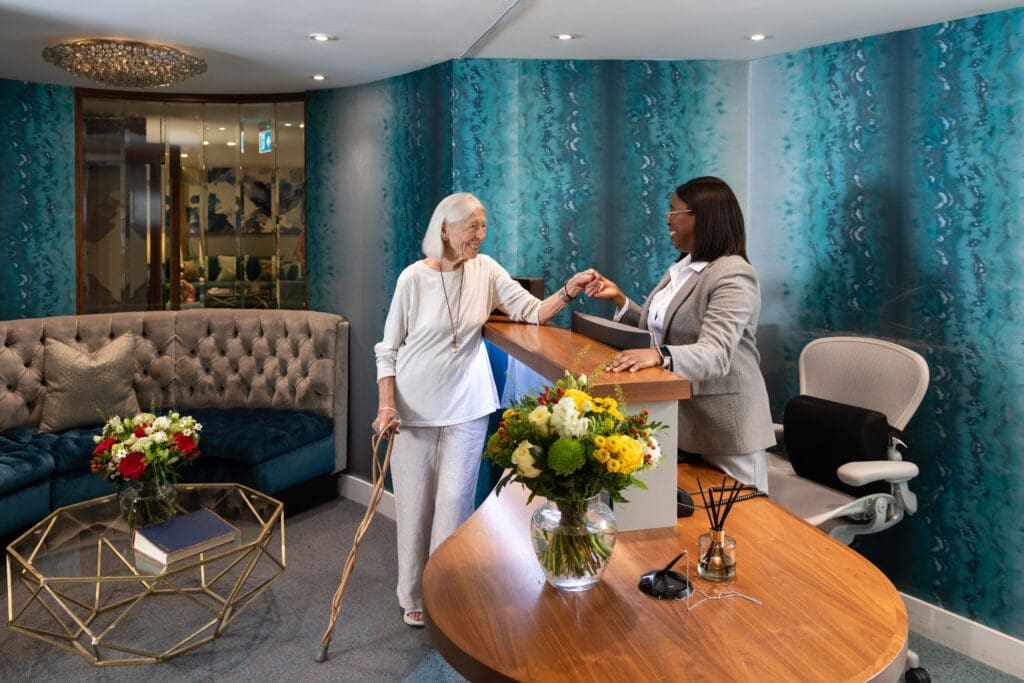
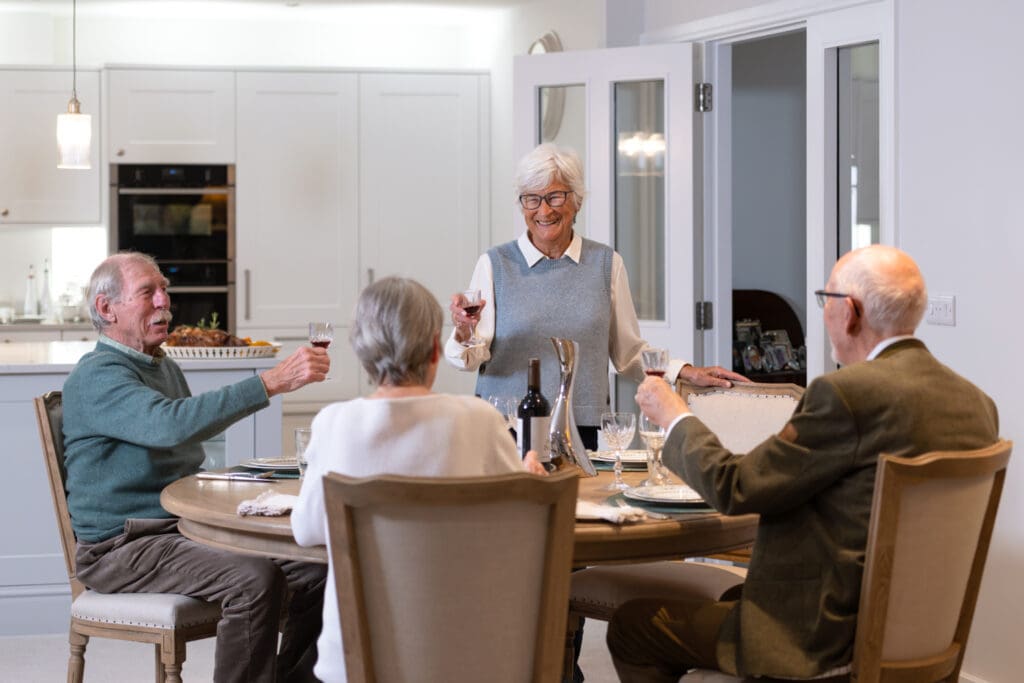
Independent living: Spacious private apartments, concierge services, dining, and social life create a setting that feels closer to a private members’ club than a traditional retirement development.
Personalised care support: Discreet, flexible support tailored entirely to your requirements, from occasional assistance to more regular care.
Rehabilitation and wellness: Access to world-class rehabilitation services on-site, from physiotherapy appointments to our wellness suites.
Dedicated nursing and specialist support: For those who require a higher level of care, our Albert Suites offer a refined, fully serviced environment with expert clinical teams, all within the same community.
Luxury living: Our care facilities give residents access not only to the best-in-service treatments, but an elevated environment, with stunning rooms, gardens and on-site facilities.
If you are exploring senior living options and want the reassurance of a fully integrated continuum of care, LifeCare Residences is ready to welcome you.
Get in touch to arrange a visit and discover how our communities are designed to support you, whatever the future holds.